
Following the Meiji Restoration, Japanese publishing began to blend Eastern and Western aesthetics in its designs. The late Meiji era to 1923 marked the golden age of literary book design, driven by literary giants Mori Ōgai and Natsume Soseki, who collaborated with the top designers of their time. This is exemplified by the 1933 publication Ogai Shoshi (Ogai Bibliography) by the Taiwan Aishokai (Taiwan Book Lovers Association).
A Tokyo Imperial University botanical illustrator. His designs for Mori Ōgai’s translations Sokkyoshijin (The Improvisatore) and Kenteki (Drop by Drop) are Meiji-era masterpieces.

✦ Kenteki (Drop by Drop) book cover (Ogai Shoshi, p. 14, 1st ed., 1910).
A pioneering designer who illustrated Natsume Soseki’s Wagahai wa Neko de Aru (I Am a Cat) and Mori Ōgai’s translations like Hito no Issei / Hikoki (The Life of Man / Airplane).
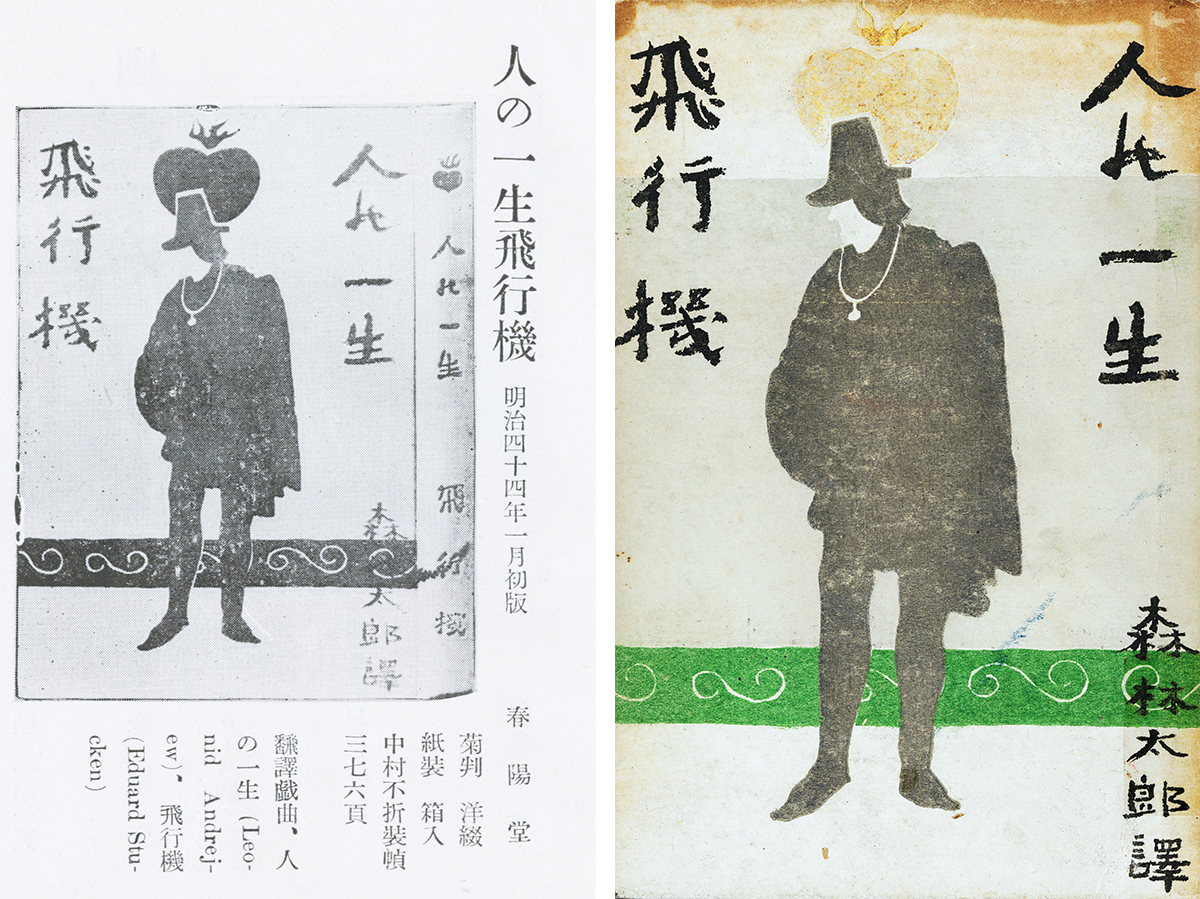
✦ Hikoki book cover (Ogai Shoshi, p. 15, 1st ed., 1911).
Co-founder of Hakubakai (White Horse Society) and judge for the 1933 Taiwan Art Exhibition. Notable designs include Ino Kanori’s Taiwan Shi (The Chronicles of Taiwan) and Mori Ōgai’s translation Sabishiki Hitobito (Lonely Lives).
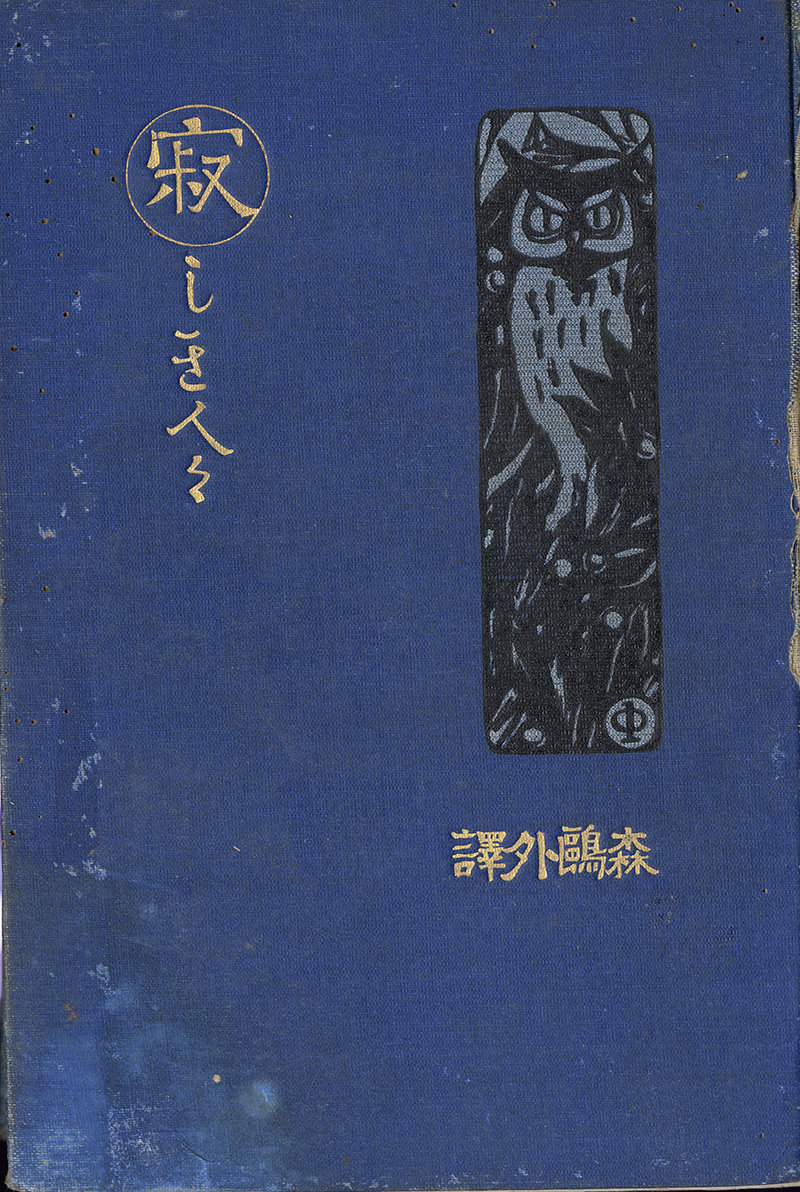
✦ Cover of Sabishiki Hitobito (1911), translated by Mori Ōgai. Designed by Fujishima Takeji, the owl and dark blue background symbolize intellectuals seeking reason amid solitude and darkness.
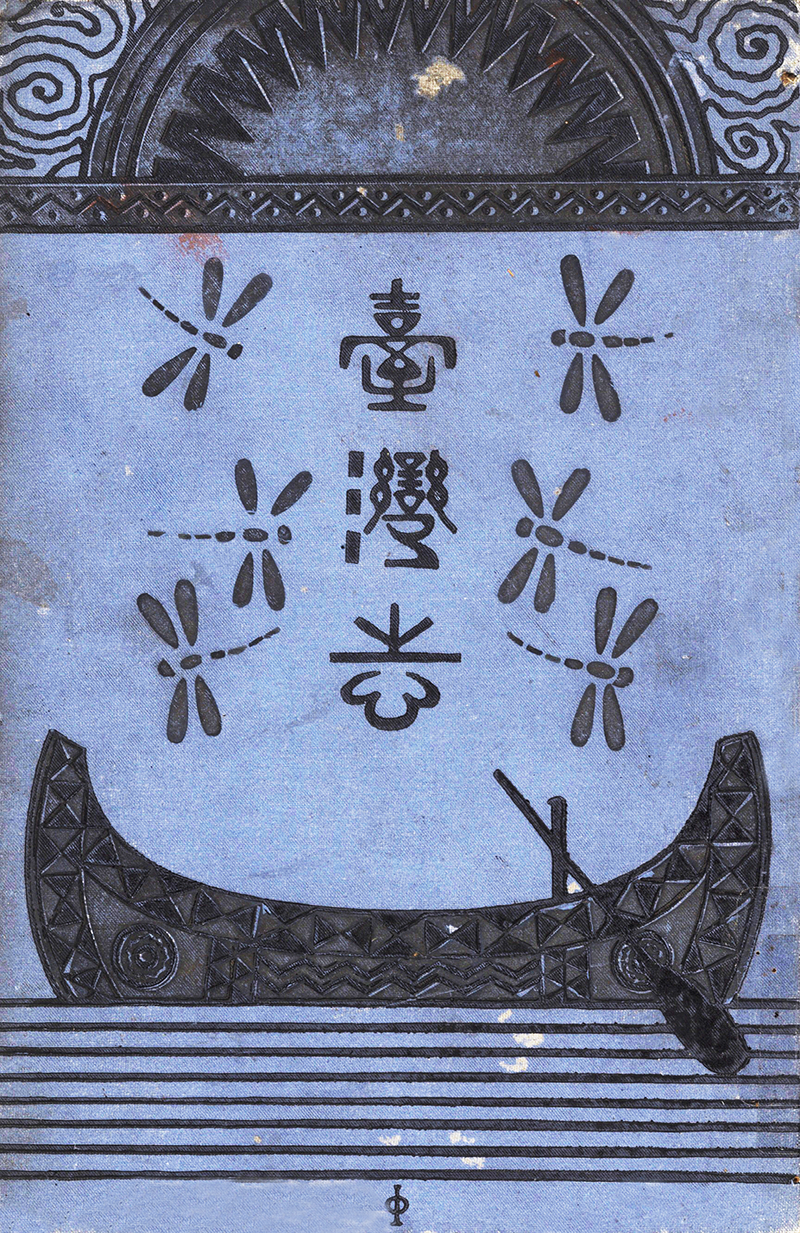
✦ Relief covers of Taiwan Shi (Vols. 1–2, 1902), depicting a Tao canoe and dragonflies around the book title.
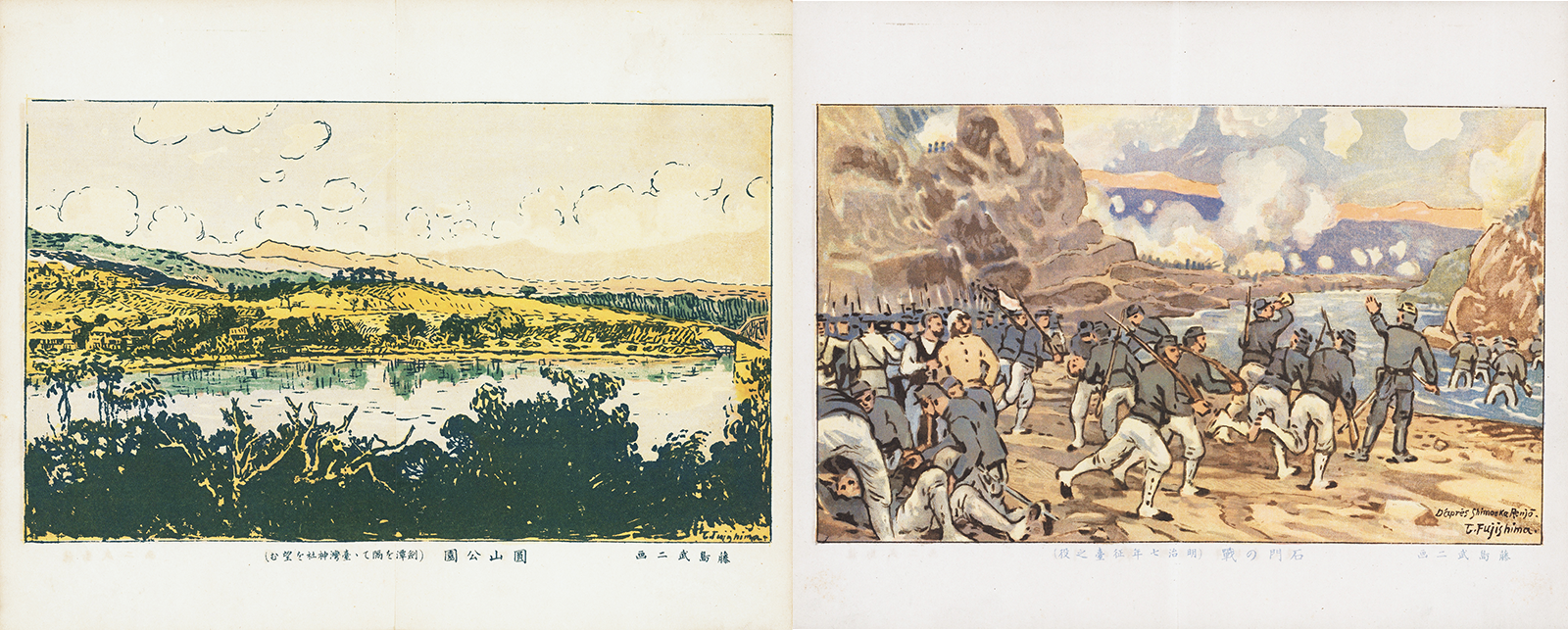
✦ Frontispieces of Taiwan Shi: "Maruyama Park" (Vol. 1) and "Battle of Sekimon" (Vol. 2).
Designed Natsume Soseki’s Yokyoshu (Floating in the Void) and Mori Ōgai’s translation Juninjuwa, fusing traditional Ukiyo-e with Art Nouveau.

✦ Blue cloth hardcover of Yokyoshu, with exquisite illustrations inside.
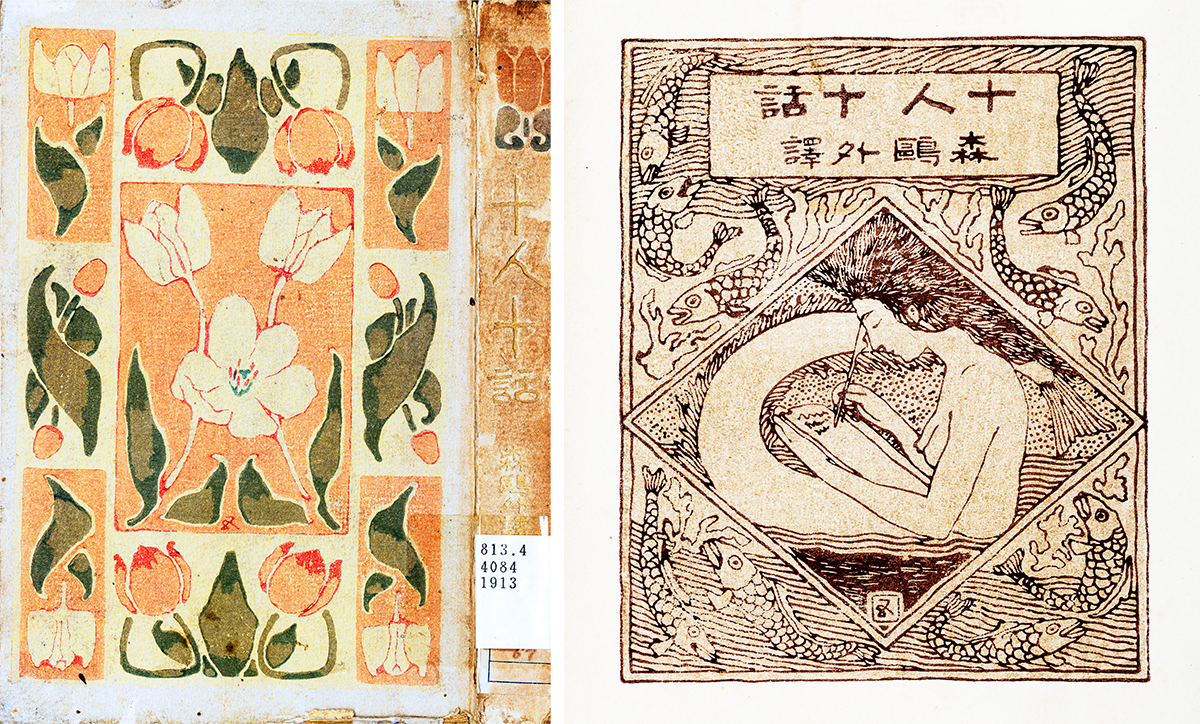
✦ Ogai Shoshi: Juninjuwa (1st ed., May 1913, Shiroku-ban size, Western binding, paper cover, with wrapper).
While the 1936 First Exhibition on the Art of Book Design omitted poetry, the Taihoku Imperial University Faculty of Literature and Politics later acquired these beautifully bound works to fill the gap.
A Western-style painter who designed Suiren (Water Lilies), the 1905 debut poetry collection of Soma Gyofu.
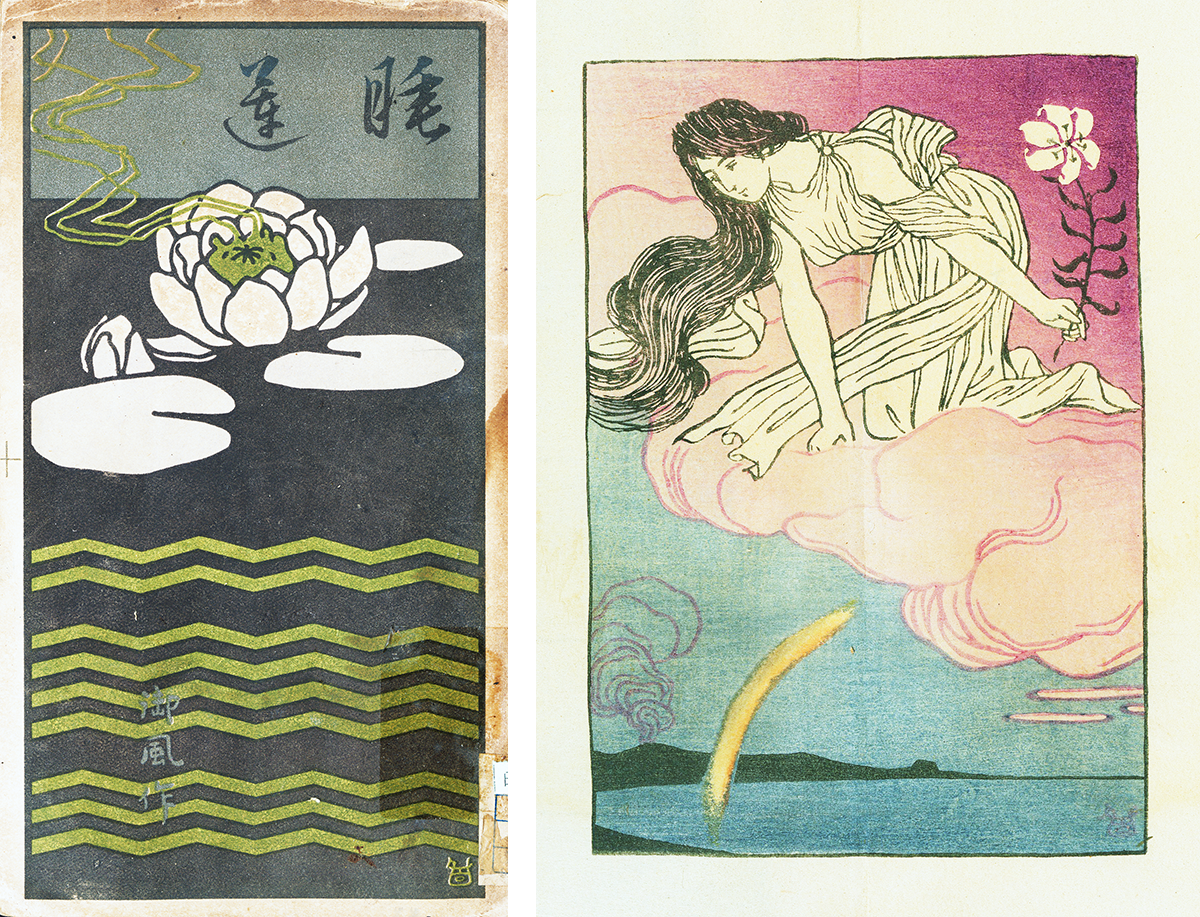
✦ Suiren (1905) by Soma Gyofu, designed by Wada Eisaku (left: cover; right: interior page).
Designed nearly 300 books, including multiple tanka collections by Yoshii Isamu, blending Japanese aesthetics with Western forms.
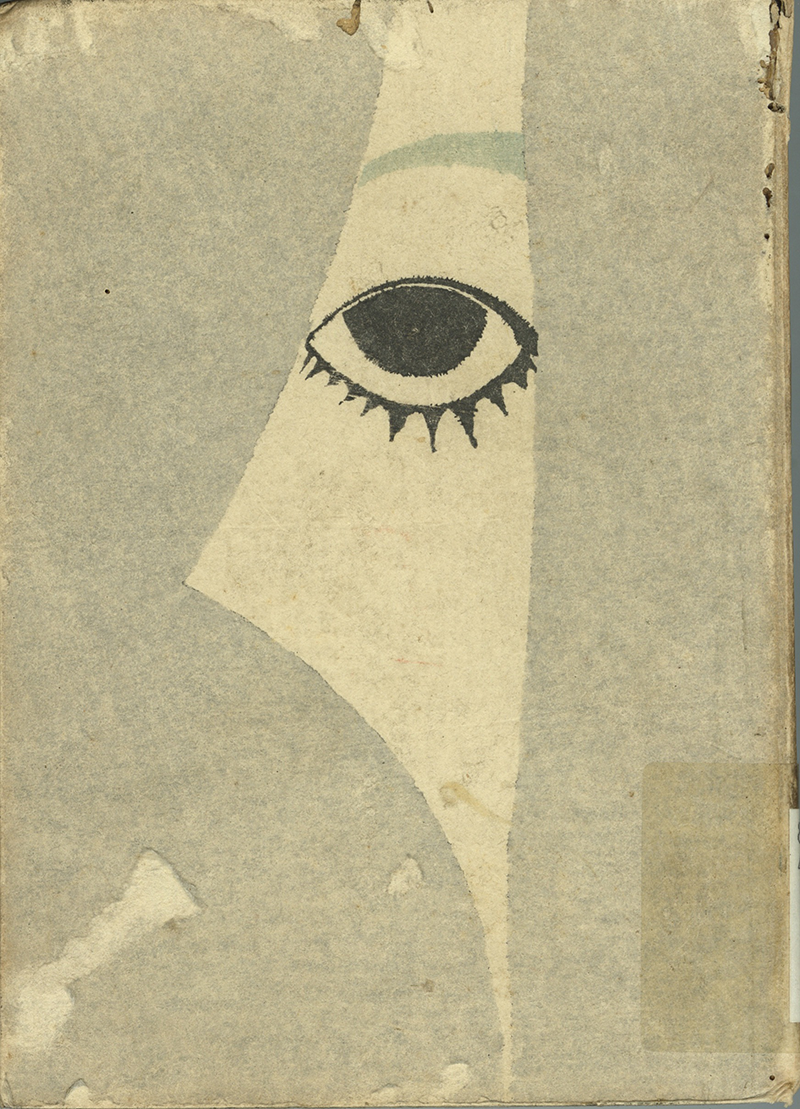
✦ Meimokou (1916) by Yoshii Isamu, book cover.
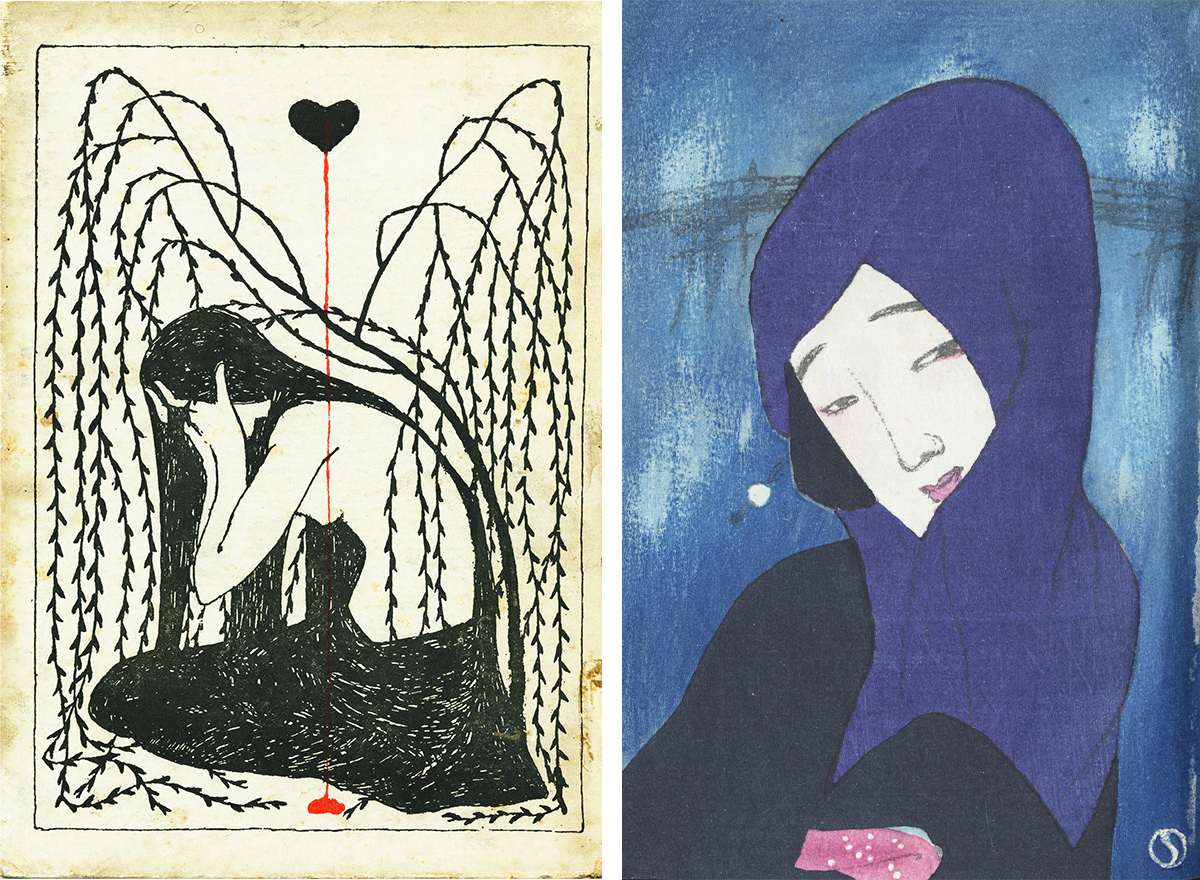
✦ Kurokami-shu (1917) by Yoshii Isamu, cover and illustration. (Full book available online)
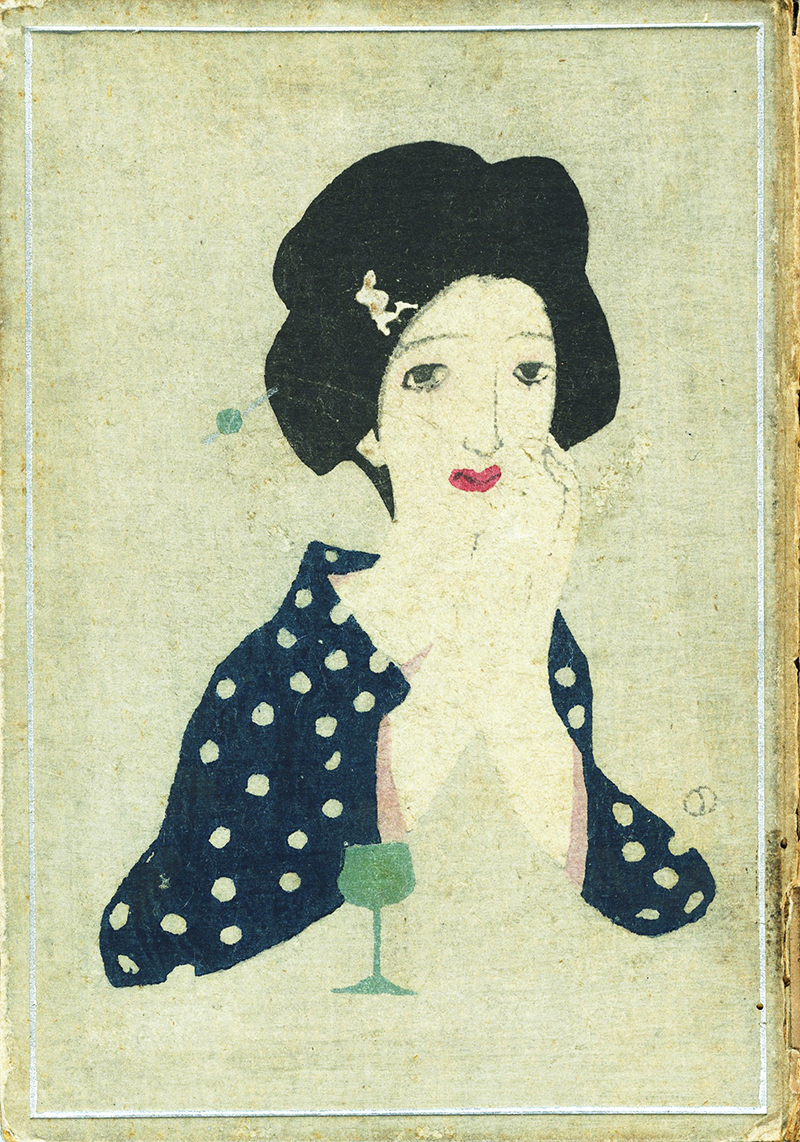
✦ Tokyo Kotoshu (1916) by Yoshii Isamu, book cover.